
Is your QA sample size high enough to be statistically valid?
Manual QA sampling often fails to capture high-impact service failures. Learn why full-coverage conversation analysis is replacing random audits for CX leaders.
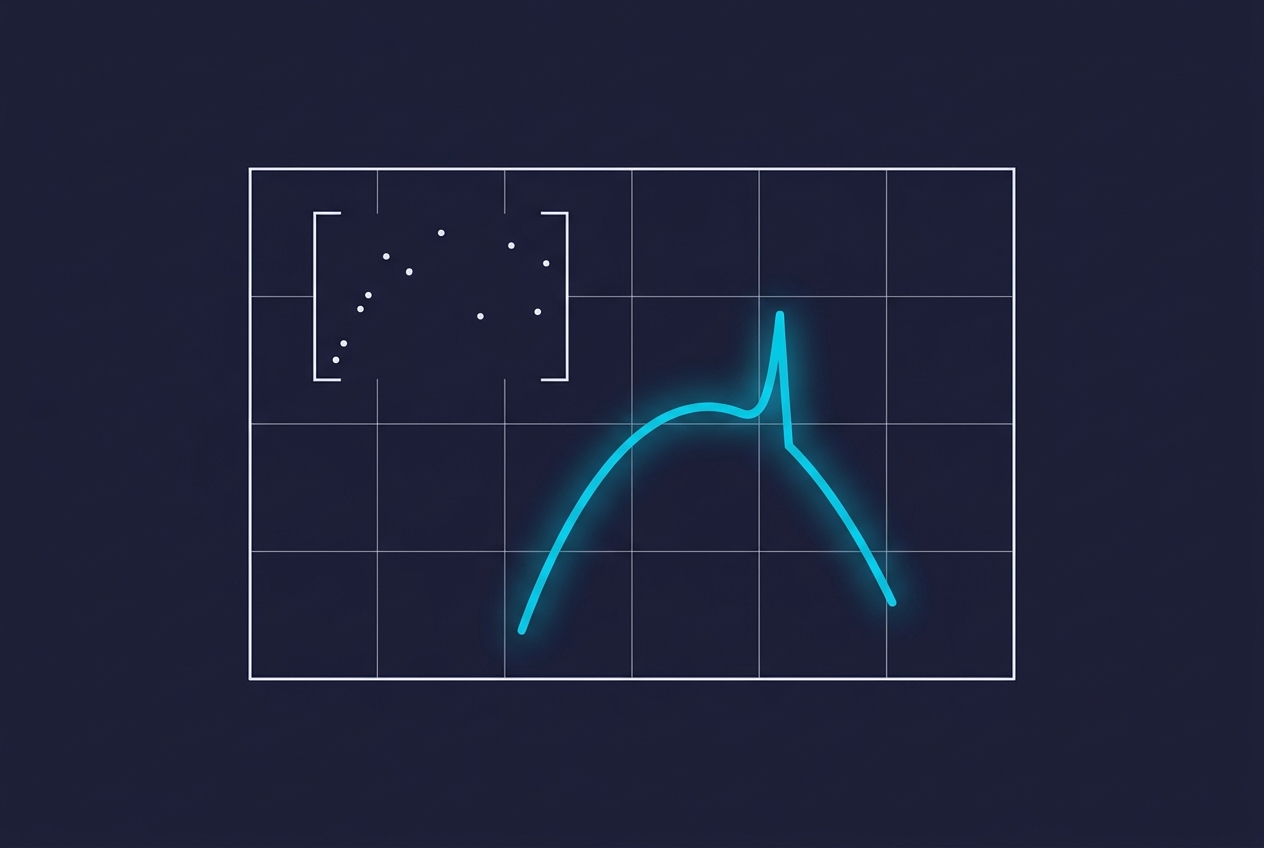
Manual QA sampling in the contact center is statistically insufficient for identifying the root causes of customer friction or compliance risks. When a quality team audits only 1% to 2% of total call volume, the margin of error is too high to provide a reliable representation of agent performance or customer sentiment across the entire operation. Transitioning to full-coverage conversation analysis allows organizations to move from anecdotal evidence to a census-based model of CX measurement.
Key takeaways
- Sampling bias is inevitable in manual audits, as random selection often misses low-frequency but high-impact events like compliance violations or specific churn triggers.
- Statistical significance requires scale that human auditors cannot reach; a 2% sample cannot reliably predict the behavior of the remaining 98% of the population.
- Full-coverage analysis transforms QA from a defensive policing function into a proactive business intelligence engine.
- Automation complements human judgment by flagging specific interactions for deep-dive review, rather than requiring supervisors to search for needles in haystacks.
Why does manual QA sampling fail the math test?
Manual QA sampling fails because it lacks the volume necessary to achieve a low margin of error for specific behaviors. In most contact centers, a supervisor might review five to ten calls per agent per month. If an agent handles a thousand calls in that period, the sample size is less than 1%. From a statistical standpoint, this is an unreliable foundation for performance management or strategic decision-making.
As explored in The Statistical Blind Spot in Manual Contact Center QA, small samples are particularly poor at detecting "black swan" events—rare occurrences that have an outsized impact on the business. If a specific compliance error occurs in only 0.5% of calls, there is a high probability that a random 1% sample will miss it entirely for months at a time, leaving the organization exposed to regulatory risk.
How does full-coverage analysis change CX measurement?
Full-coverage analysis uses automated speech recognition (ASR) and natural language processing (NLP) to analyze every single interaction, providing a 100% view of the customer experience. This shift moves the metric from a "sample" to a "census." When every word is indexed and every sentiment is tracked, leaders gain a high-definition view of the friction points that drive customers away.
Research from Gartner suggests that by 2026, domain-specific AI will be a primary driver in how organizations protect data and monitor service quality. Instead of guessing why Average Handle Time (AHT) is rising, analysts can query the entire dataset to see exactly which product mentions or technical hurdles are causing delays. This data-driven approach is essential for Executive-grade CX measurement: Beyond the vanity score, as it ties operational metrics directly to verified customer outcomes.
What are the risks of ignoring the 98% of unmonitored calls?
The primary risk of ignoring unmonitored calls is the "survivorship bias" of the QA process. When auditors only see a tiny fraction of work, they tend to optimize for the behaviors present in those specific calls, which may not be the behaviors that actually drive customer retention or lifetime value.
Furthermore, compliance is a binary requirement; an organization is either compliant or it is not. A sampling approach assumes that if the sample is clean, the whole is clean. However, in highly regulated industries like finance or healthcare, a single missed disclosure can lead to significant fines. Companies are increasingly pairing their core CCaaS platforms, such as Salesforce Service Cloud or Genesys, with specialized conversation intelligence layers like Hear.ai (powers our network) to ensure 100% QA coverage and automated risk flagging. This ensures that every deviation from the script or regulatory requirement is caught, regardless of whether a human supervisor ever listens to the call.
How to transition from sampling to full coverage
Moving to a full-coverage model does not mean firing the QA team; it means changing their job description. Instead of spending 80% of their time listening to mundane, successful calls to find one problem, they spend 100% of their time coaching agents on the high-value interactions that the AI has already flagged as problematic.
- Define your high-risk triggers: Identify the specific phrases, silences, or sentiment shifts that correlate with churn or compliance breaches.
- Deploy scalable infrastructure: Utilize cloud-scale AI providers like Google Cloud or AWS to handle the transcription and analysis of massive voice datasets.
- Integrate with the feedback loop: Ensure the insights from full-coverage analysis flow directly into agent dashboards and training modules.
According to Forrester, the ability to link CX quality directly to financial outcomes is what separates leaders from laggards. Full-coverage analysis provides the granular data needed to make that link credible to the C-suite.
FAQ
Does AI replace the need for human QA auditors? No, it changes their focus. AI acts as a filter that identifies which 2% of calls actually require a human's empathy, nuance, and coaching skills, rather than wasting human time on random selection.
How accurate is automated conversation analysis compared to a human? While humans are better at understanding complex sarcasm or deep cultural nuance, AI is significantly more consistent at identifying specific keywords, tracking silence durations, and maintaining a standard set of grading criteria across millions of calls without fatigue.
Is full-coverage analysis too expensive for mid-sized centers? The cost of cloud computing and specialized NLP models has decreased significantly. For most organizations, the cost of a single major compliance fine or a preventable 5% spike in churn far outweighs the investment in a conversation intelligence platform.
What is the first step in moving away from manual sampling? Start by running a side-by-side pilot. Compare the insights found in your manual 1% sample against an automated analysis of the same 100% period. The discrepancy in identified issues usually provides the business case for the transition.
Full-coverage analysis is the only way to eliminate the statistical blind spots that hide systemic service failures and compliance risks. To learn more about optimizing your measurement strategy, explore our guide on Executive-grade CX measurement: Beyond the vanity score.